
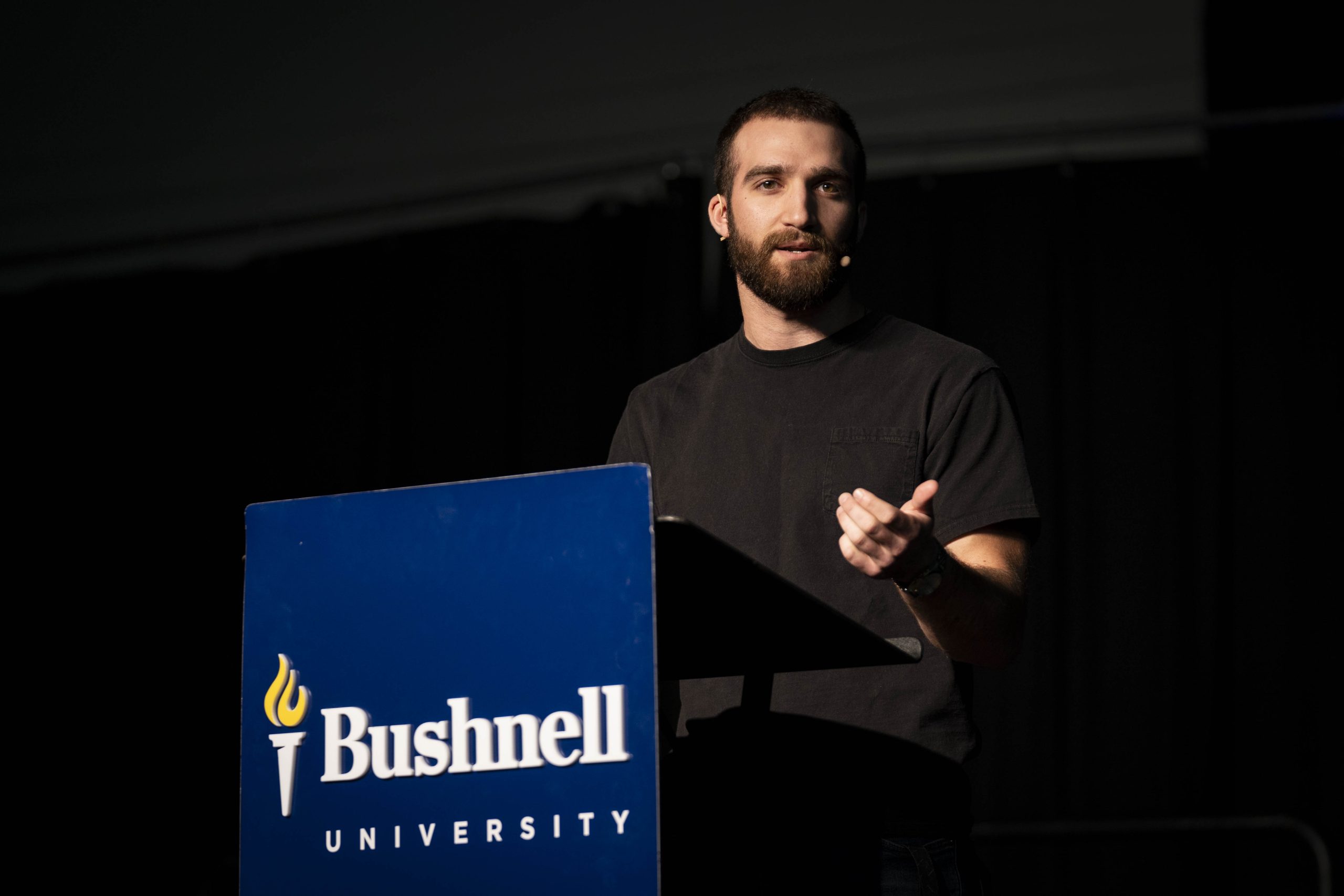

Why Choose Bushnell’s M.Phil.?
The Master of Philosophy is designed for students whose academic goals extend beyond traditional coursework. Rather than following a prescribed curriculum, you’ll pursue an individualized research plan under the guidance of an experienced faculty mentor while producing original scholarship that contributes to the field of theology or the humanities.
Program at a Glance
- Faculty-mentored research
- Individualized program of study
- Minimum 21 credits
- Master’s thesis required
- Flexible foundation coursework based on prior preparation
Research & Program Requirements
How the Curriculum is Structured
Unlike traditional graduate degrees, the M.Phil. centers on independent research rather than classroom coursework. Your faculty supervisor will help develop a personalized academic plan based on your previous graduate studies and research interests.
Program Requirements
- 6–12 credits: Foundation Studies (determined individually)
- 12 credits: Supervised Research (PHL 651–654)
- 3 credits: M.Phil. Thesis
- Minimum Total: 21 credits
Request Information
Planning Your Degree
The Master of Philosophy in Theology is an individualized, faculty-mentored research degree rather than a traditional cohort program. Your course of study is developed in collaboration with your faculty supervisor based on your academic preparation, research interests, and thesis goals.
Admission to the Master of Philosophy program includes:
- Completed graduate application
- Bachelor’s degree from a regionally accredited institution
- Official college transcripts
- 300–500 word research proposal
- Evidence of advanced academic preparation related to the proposed research area
- Two academic letters of recommendation
Additional materials may be required depending on your proposed area of study. Applicants who do not meet all prerequisites may be considered for conditional admission.
Students complete an individualized program of supervised research culminating in a master’s thesis. Throughout the program, you’ll work closely with an approved Bushnell faculty mentor to develop original scholarship in theology or another approved area of the humanities.
Your investment includes tuition along with educational expenses such as books, technology fees, and other program-related costs. Bushnell’s admissions and financial aid teams are available to help you understand tuition, estimate your total costs, and explore available funding options and cost of attendance.
Bushnell is committed to making graduate education accessible and affordable. Learn more about Graduate Financial Aid and explore employer tuition assistance, military and veteran education benefits, scholarships, and other funding opportunities. Our admissions team can help you identify the resources that best fit your goals and financial situation.
Frequently Asked Questions?
A Master of Philosophy (M.Phil.) is a research-focused graduate degree designed for students who want to pursue original scholarship under the guidance of a faculty mentor. Unlike traditional master’s programs built around structured coursework, Bushnell’s M.Phil. emphasizes individualized research culminating in a master’s thesis.
Bushnell’s Master of Philosophy in Theology is intended for students with advanced graduate preparation in theology or another area of the humanities who want to pursue an individualized course of research. The program is ideal for ministers, educators, church leaders, scholars, and lifelong learners seeking to deepen their expertise or prepare for additional academic or professional opportunities.
Applicants must submit a graduate application, official transcripts, a 300–500 word research proposal, and evidence of advanced academic preparation related to their proposed research area. Two academic letters of recommendation are also required. Additional materials may be requested depending on the proposed course of study.
Yes. Every student completes a substantial master’s thesis based on original research conducted under the supervision of an approved Bushnell University faculty mentor. The thesis serves as the culmination of the program and demonstrates advanced research and scholarly writing.
The Master of Philosophy in Theology requires a minimum of 21 graduate credits, including individualized foundation studies, supervised research, and a master’s thesis. Foundation coursework is determined based on each student’s previous academic preparation and research interests.
Contact Us

Cory Blyther, M.A.
Graduate Admissions Counselor
Have questions about Bushnell’s Master of Philosophy in Theology? An admissions counselor can walk you through requirements, discuss transfer credits, and help you figure out your next step.
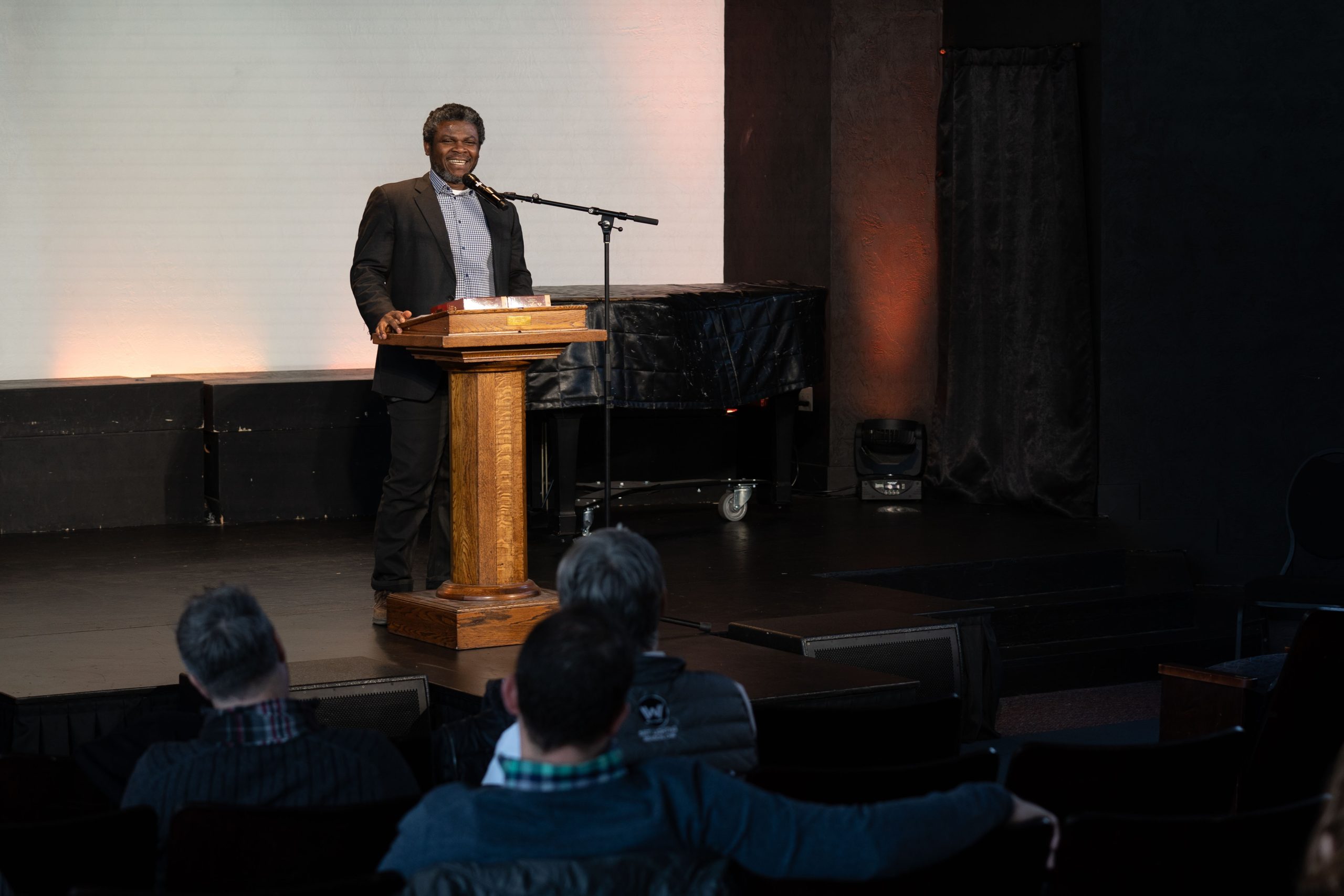
Pursue original scholarship under the mentorship of experienced theology faculty.
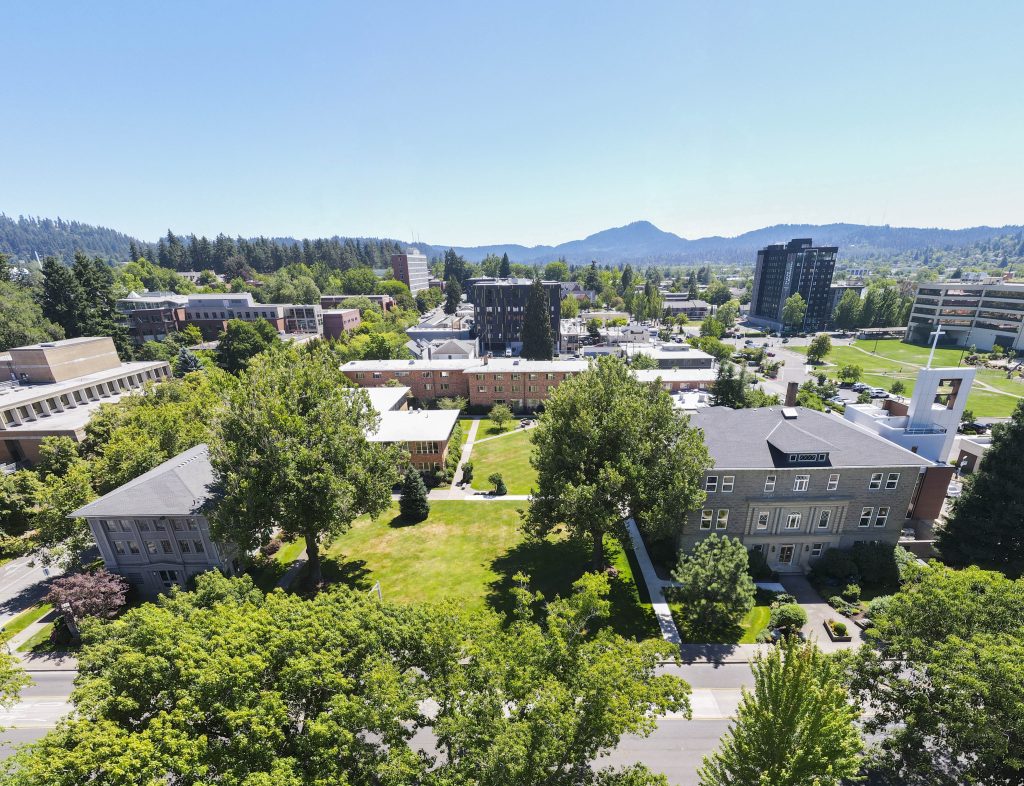
Next Steps
Interested in becoming a part of the Beacon community? We’re here to answer questions and help you see if Bushnell is right for you.